
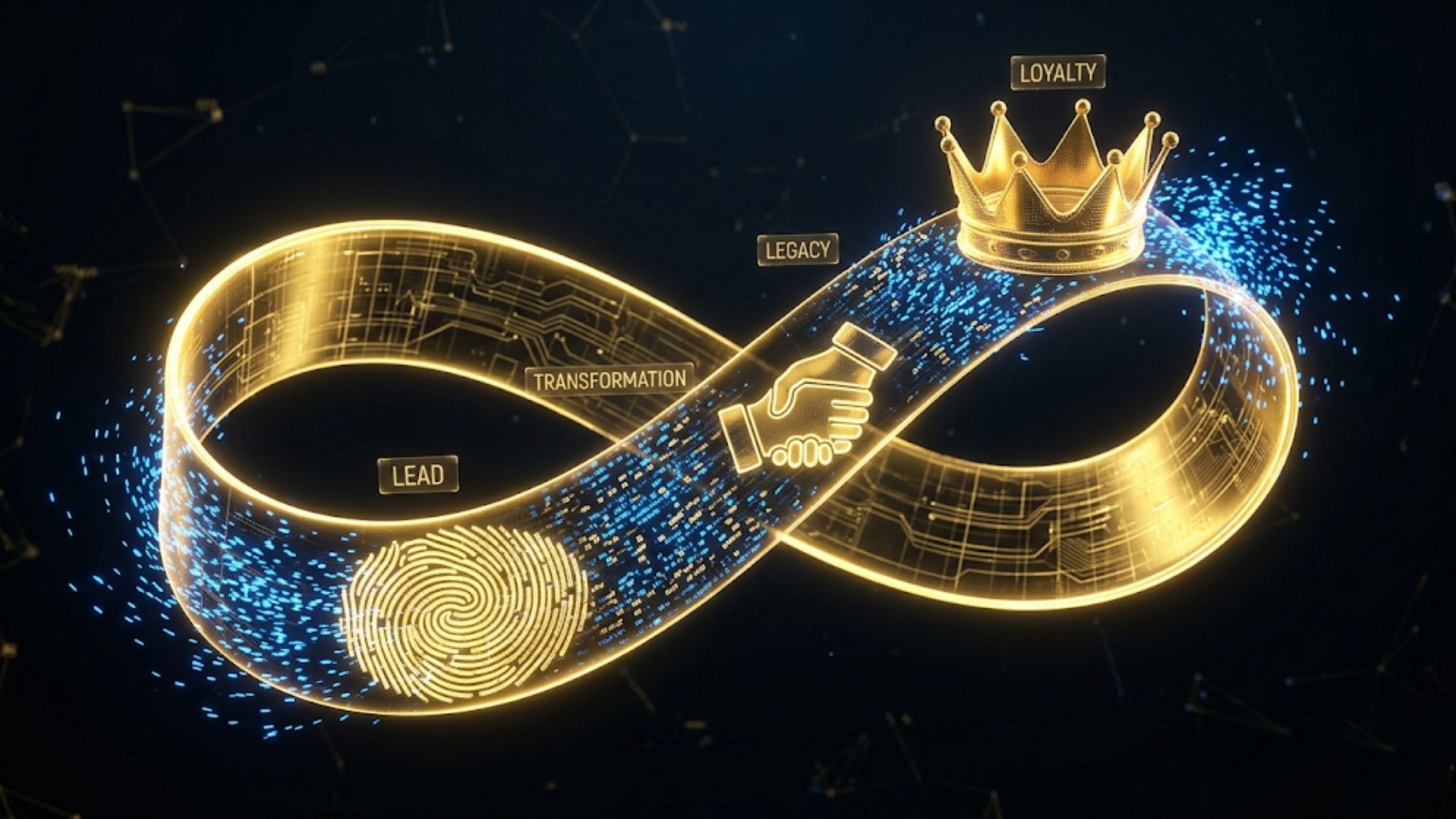
“The biggest failure in modern automation is the ‘Hand-Off.’ A Lead-to-Legacy agent ensures that the context gathered during the first ‘Hello’ is the same intelligence used to drive the tenth ‘Thank You’.”
Key Takeaways
- Contextual Continuity: Unlike fragmented tools, a Lead-to-Legacy agent maintains a single “source of truth” for every customer interaction.
- The 24/7 Nurture Loop: The system qualifies leads at 2 AM and sends personalized loyalty rewards three months later without human intervention.
- Relationship Scaling: It moves the AI from being a “Transaction Processor” to a “Relationship Manager.”
Overview: The Big Picture
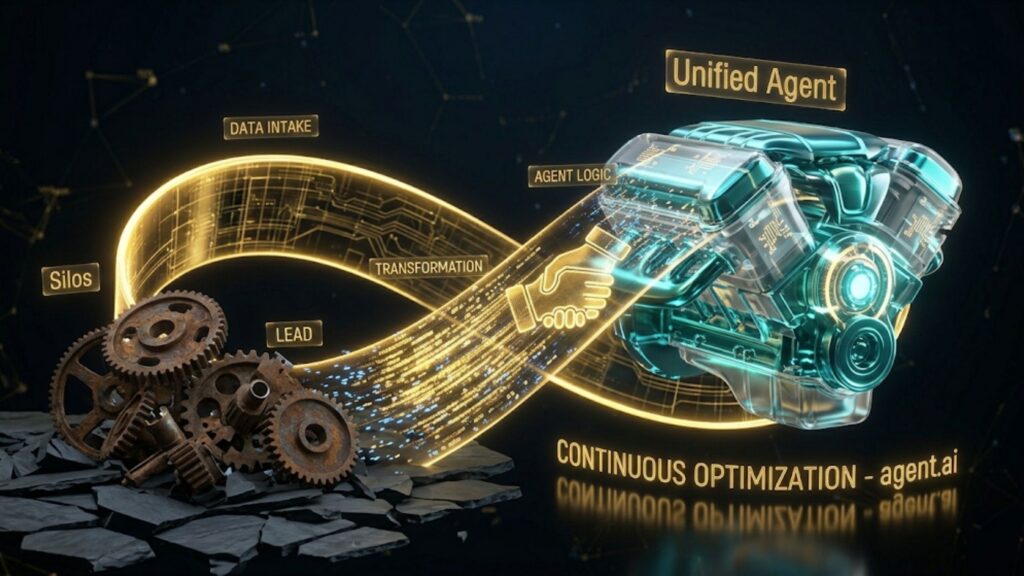
Most businesses treat the sales funnel like a relay race. Marketing hands off to Sales, who hands off to Account Management. In these hand-offs, context is dropped, and the customer feels like a number.
The Lead-to-Legacy Agent is an autonomous AI system designed to own the entire customer journey. It doesn’t just “qualify” a lead; it remembers the specific anxiety that lead expressed during the first chat and uses that data to personalize a loyalty offer six months later. In 2026, the competitive advantage isn’t just getting the lead—it’s the compounding intelligence of the relationship.
The Analogy: The Personal Concierge vs. The Call Center
A traditional funnel is like a Call Center. Every time you call, you talk to someone new who asks for your account number. A Lead-to-Legacy Agent is a Personal Concierge. They know your name, they remember your favorite room, and they have your preferred drink waiting for you before you even ask.
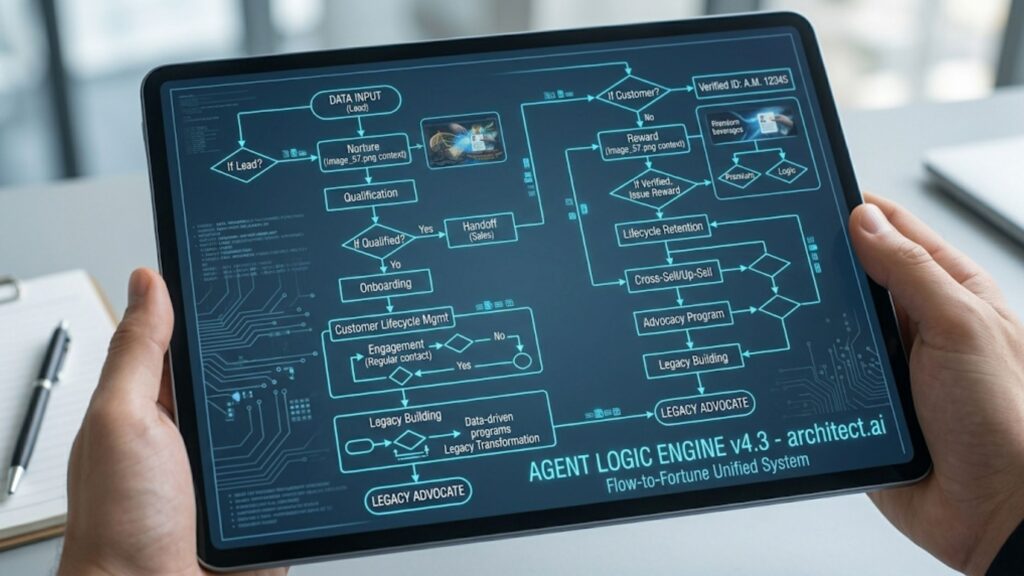
The Core Framework: The Lifecycle Architecture
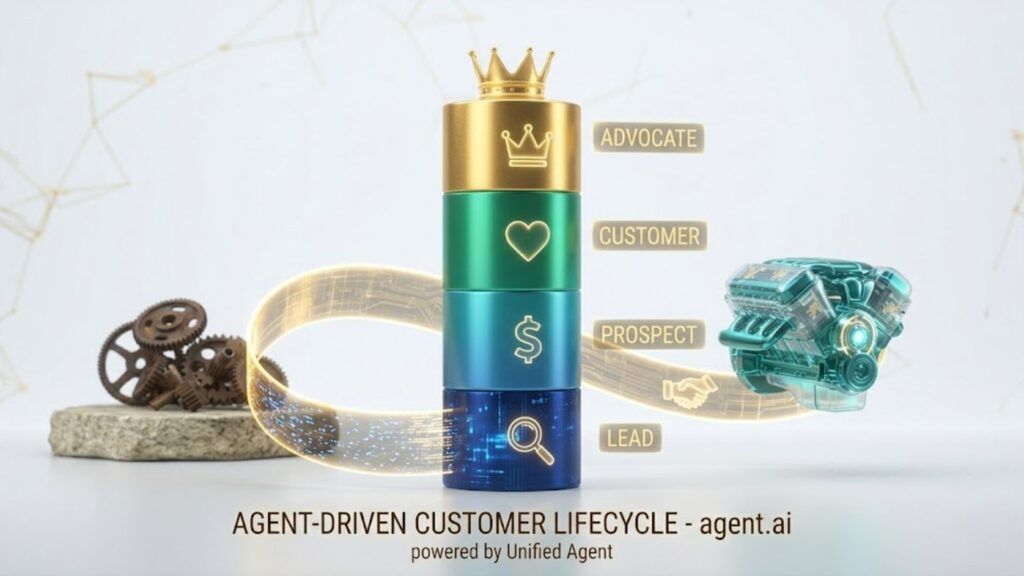
1. The Intake (The First Touch)
The agent acts as the frontline “SDR.” It doesn’t just collect emails; it analyzes the sentiment and urgency of the inquiry to determine the “Intent Score.”
2. The Conversion (The Closing Logic)
Using the data gathered during intake, the agent serves personalized “Loss Aversion” or “Incentive” triggers to move the prospect to a purchase.
3. The Legacy (The Loyalty Loop)
Once the sale is made, the agent switches to “Success Mode.” It monitors product usage and proactively sends “Value-Add” content, ensuring the customer never feels abandoned post-purchase.
Evidence in Action: Data & Real-World Examples
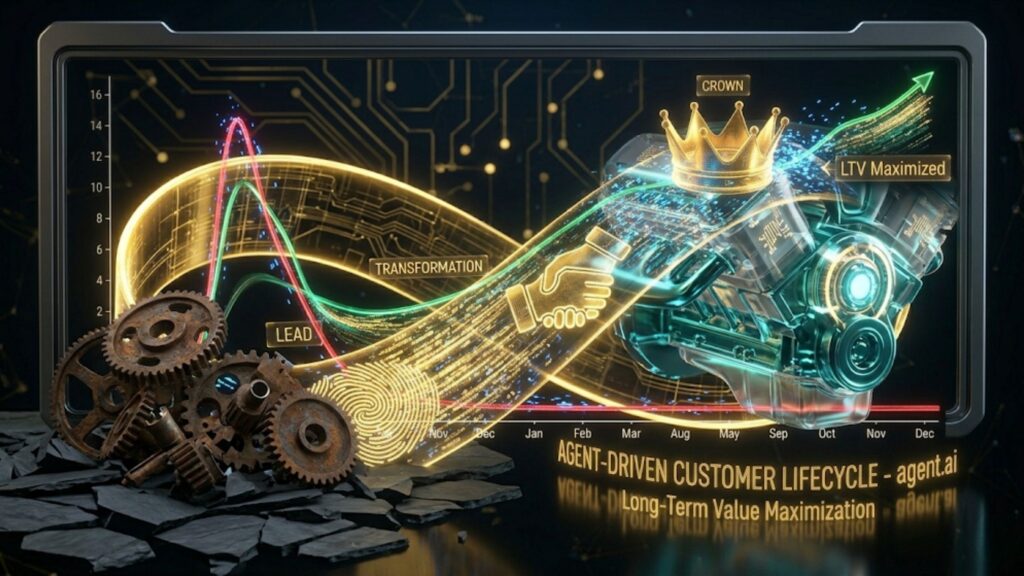
- The Statistic: According to Harvard Business Review, increasing customer retention rates by just 5% can increase profits by 25% to 95%.
- The Case Study (SaaS Leader): A major CRM provider implemented an “End-to-End Agent” that identified “at-risk” users based on low login activity. The agent automatically sent a personalized video tutorial solving the user’s specific hurdle, reducing churn by 18% in the first quarter.

The Deeper Truth: Relationships Don’t Scale, but Context Does
- The Shift: In 2026, customers don’t mind talking to AI—they mind talking to dumb AI. A Lead-to-Legacy agent is “Smart” because it has a long-term memory.
- The Common Pitfall: The “One-and-Done” Automation. Most businesses automate the sale but leave the “Success” phase to manual (and often neglected) processes.
How to Get Started: The Legacy Blueprint
- Define Your “Legacy Event”: What does a “customer for life” look like for you? (e.g., 3 renewals, 5 referrals).
- Unify Your Data: Ensure your AI agent can read your CRM, your Email, and your Product usage data.
- Deploy “Trigger-Based” Success: Program the agent to reach out not on a schedule, but based on behavior (e.g., “User hasn’t logged in for 4 days”).
Final Thoughts
The “Lead-to-Legacy” Agent is the death of the one-off transaction. It is the birth of the automated, self-sustaining relationship. When your AI cares about the customer as much on day 300 as it did on day 1, you stop chasing leads and start building a legacy.
Stop selling. Start sustaining.